– Our Gospel today continues right after the passage we have heard last week, after the Resurrection of Jairus’ daughter (“Jesus left the place” = Jairus’ house). And you would expect that people would be very excited with Jesus after the mighty deeds he performed, healing a woman who had been sick for 12 years, raising back to life a little girl – and yet today we come across one of those passages where Jesus is harshly rejected (and it happens many times in the Gospels).
Of course, we know that Jesus was rejected by religious leaders – and we can, to some extend, understand that. Jesus did not always go “by the book” (The Torah/ God’s Law), or at least Jesus did not understand it in the way it was often taught at the time. So Jesus threatened some of the religious authorities’ power. Yet what we see today is a bit more surprising: Jesus was also misunderstood by his people (He finds himself in his home town), simple folks who don’t have positions to be protective of. In this, Mark comes back to a theme already developed in Chap 3 when Jesus’s family goes out to look for him because he has “gone out of his mind”, according to their own words. Here, things get worse though: Not only is Jesus misunderstood, he is also rejected and put down. Indeed, calling Jesus “The son of Mary” could be a way of saying that they don’t know who is father is. At the very best people wonder aloud who does Jesus think he is.
And actually, maybe that’s what Mark wants us to think about too: Who is Jesus? And I think I’ve already mentioned that this question is actually the thread throughout his Gospel. We have noticed that as we progress in the Gospel, Jesus is increasingly presented not only as a teacher and a healer, but also as a savior. In Chap 4 and 5 in Mark, Jesus saves people from the hostility of nature (by calming the storm), from the power of the demons (exorcised the Gerasene man) and he saves a woman and a girl from the power of disease and death (what we read last week).
And yet, as we see today, Jesus is rejected. If you think about it, it does not make sense, right? Why would people reject a Savior? I am currently reading a book that was released last year, a book by Barrie Wilson and it talks about the quest of a Messiah. The author notices that we all have a longing for a savior, not only in religion, but also in pop culture (Superheroes). When I read this passage of Mark, I wonder though. Do people really want a Savior? Or is it that they don’t want the kind of Savior Jesus was? And maybe this is the question Mark invites us to explore today: What kind of Savior was Jesus?
Well to me, the thing is, in Mark’s Gospel, Jesus is presented as a Savior, but he isn’t a rescuer. Yes, he helps those who cannot help themselves, yet contrarily to most of our superheroes, Jesus doesn’t just save little girls and people from accidents and then goes back to his cave! Jesus expects openness to his teachings, readiness to put them in practice and Jesus expects collaboration in his ministry. We saw last week that Jesus couldn’t do miracles when people didn’t take him seriously – he had to drive them out of the house – Today Mark says plainly: “Jesus could not do any deed of power there”. Jesus does not save people in spite of themselves, does not impose himself to people, he does not do it without us even if his grace is offered to all. We saw how Mark invites us to make ourselves vulnerable to Jesus, but Jesus made himself vulnerable too, and he paid the price.
– So why would people reject Jesus, if really we are all longing for a Savior? People who don’t compete with Jesus’s power but are from his village, and his family?
Maybe they didn’t like his fame – it can be annoying to have a childhood friend or a former classmate who makes it when we don’t.
Maybe they were jealous of his closeness to God – Why would God have picked him over them?
But maybe what was really “offending” them, as Mark puts it, was Jesus’ teaching.
According to Mark, Jesus’s teaching and preaching was all about repenting and changing. Obviously, these people didn’t like it that Jesus has changed, and they didn’t want to change either.
– To me, this is what we find in this passage is that Mark made the point that Jesus was a Savior, but he is the type of Savior people don’t want, even if he is the Savior we need. We want a Savior who can fix things when things go wrong, and I guess everybody could agree with that, but are we ready to welcome a Savior who show us that we have to acknowledge our shortcomings, change and amend our lives?
And so when Mark says that Jesus could no do any deed of power there…except that he laid his hands on a few sick people and healed them”, we have to understand that, mostly, what Jesus was prevented to do was not in his healing ministry, rather he could not, or would not, change people’s mind about him. Jesus cannot repent for them. It is their decision to make to “repent”, to turn back to God.
– And so, what about us? Is wisdom or faith or holiness something we are really looking for, or do we cling to our habits and old patterns as long as we’re doing okay?
Are we using our relationship with God to control outcomes in our lives, or are we looking for real closeness with God and let God save us from hurting ourselves, our neighbors, non human creatures and our planet – because this is really what we need to be saved from?
Again, we see in Mark’s that familiarity with Jesus leads to domestication. People’s closeness to Jesus prevents them from taking him seriously. They think they know him but they don’t. For us as well, sometimes our closeness (as Christians) is a way to keep him at a distance – we think we know what Jesus is about and we don’t let him surprise us or lead us to change. We see that often in the Mark’s Gospel – and that’s the case today, Jesus marvels the faith of people who don’t know him, and is amazed at the faith of those who knows him – a serious warning for us!
– Now to the second part of our Gospel today. We see that Jesus does not ask only for welcome and openness, but also for collaboration in ministry. Jesus is not this kind of rescuer who wants to do it all by himself. He wants his disciples to “graduate” and to be able to do what he does! It’s the second time in Mark’s Gospel that we hear that Jesus sends out his disciples. As I’ve mentioned before, they learn by doing, but also they are supposed to share what they have learn – and I guess this passage asks questions more specifically to us as a church.
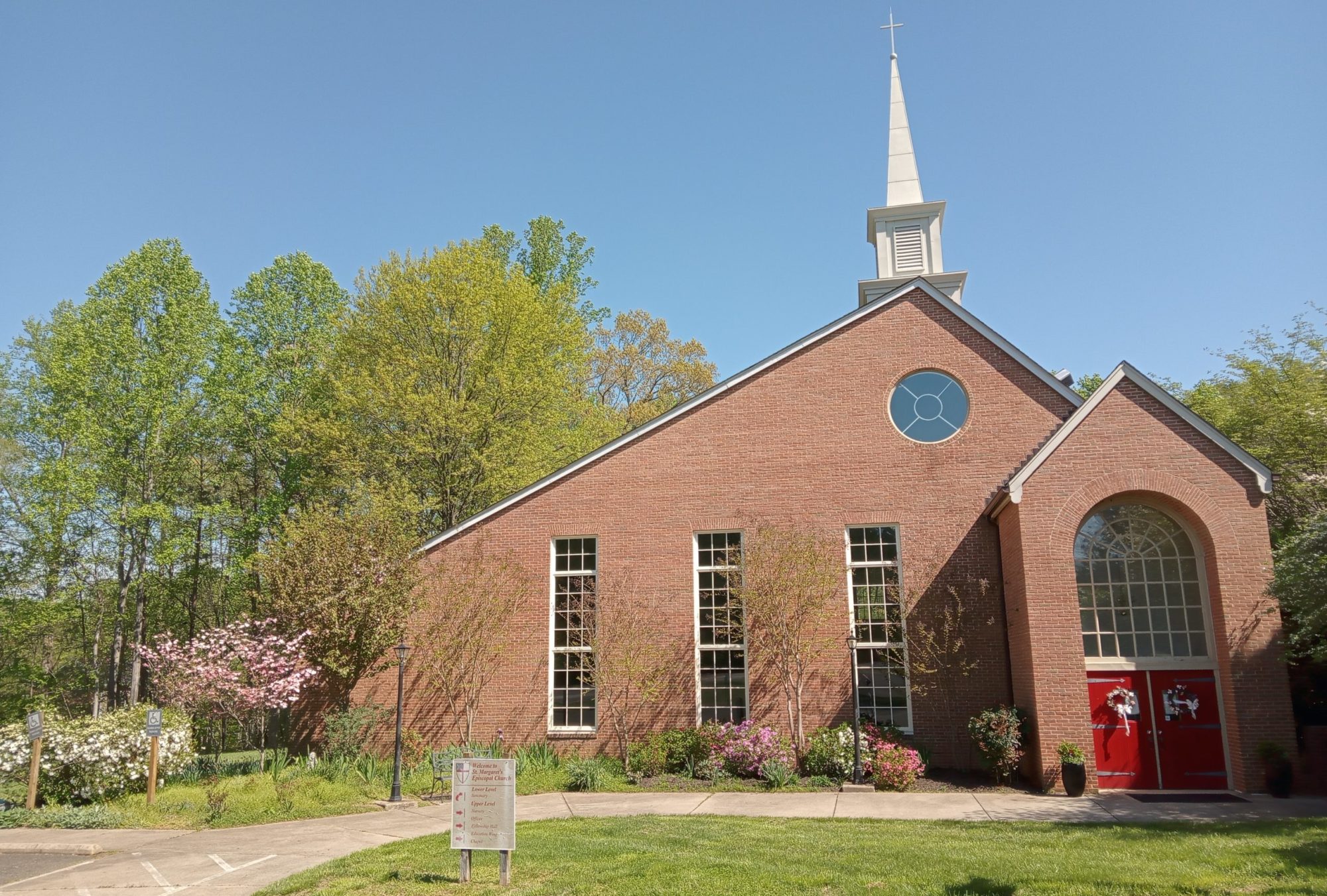
The disciples are appointed for a mission. Jesus picked his disciples so he could send them out to make Jesus known and make a difference in the world, Jesus did not pick his disciples so they could have a nice time together. As we rejoice today to be finally “back home” in the sanctuary, let’s remember that the church is “an institution that does not exist for the benefit of its members”. We have to keep on wondering where is Jesus sending us today, to whom, and for what purpose – this is what church is about. Of course we need to come to the sanctuary to receive the teaching and the sacraments, but our real work as Christians starts on Monday morning, in the midst of our daily activities and in our encounters with others.
– The last part of our Gospel today respond to the question on how we are to carry this mission. Jesus asks his disciples to take with them the minimum – and to me it says two things, materially and spiritually.
Materially: There is actually very little the disciples need, and what they need will be mostly provided by the generosity of strangers and/or God’s providence. They have to remember that the most important is to share the message. What about us today? In our churches, we can focus on many details about leadership, organization, communication and so on…Yet we need to have this question in minds: How does it serve the Gospel? Maybe we don’t need as much “stuff” as we think we do.
The advice Jesus gives is mostly spiritual though: Jesus does not want his disciples to get stuck. He tells them to move on when they encounter rejection. As so the question for us could be as well: Where is it that we lose our time and our energy, and where do we have to re-focus our mission? Where is it that we are needed, heard, welcome and how could we focus on those areas of ministry?